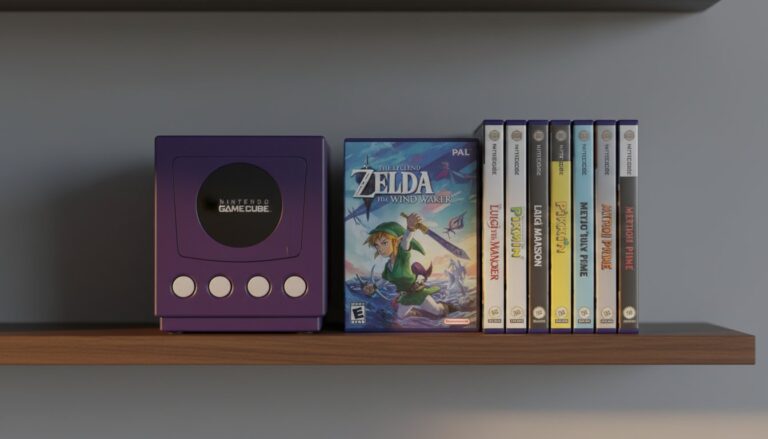
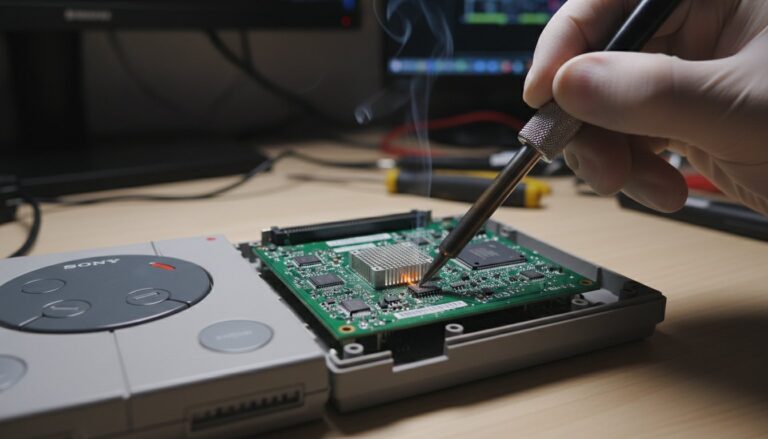
Get your fix of everything retro — specialists in imported & rare retroImported & Rare Retro

Shop By
The Nintendo GameCube: A Complete Guide to the Purple Powerhouse
Ever get that powerful wave of nostalgia when you spot that iconic purple cube? The Nintendo GameCube remains a truly cherished console, a compact...

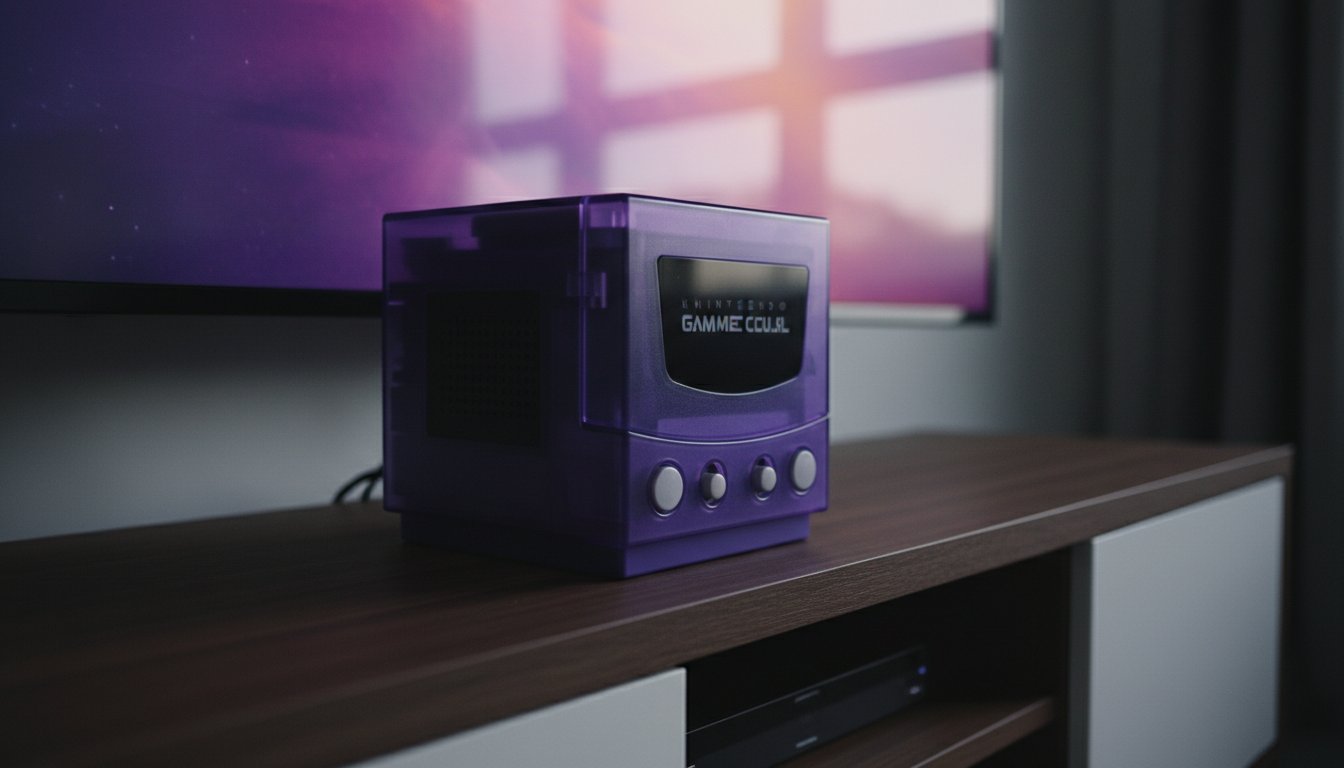
Ever get that powerful wave of nostalgia when you spot that iconic purple cube? The Nintendo GameCube remains a truly cherished console, a compact powerhouse that defined an era of gaming with its unique controller and legendary software library. But if you’re thinking of diving back in, you might have questions. Is it still worth buying today? How on earth do you get it looking sharp on a modern 4K TV? And what common faults should you look for when browsing for a second-hand unit here in the UK?
Well, get ready to get your fix of everything retro! This complete guide is your one-stop resource for Nintendo’s sixth-generation marvel. We’ll explore the GameCube’s fascinating history, break down the absolute must-have games that belong in every collection, and provide the essential expert tips you need to buy, connect, and enjoy this classic console today. By the end, you’ll feel confident in starting your collection and ready to recapture the pure joy of those incredible gaming memories.
A Look Back: What Made the Nintendo GameCube Special?
Launching in the UK in 2002, the Nintendo GameCube entered one of the most ferocious battlegrounds in gaming history. It was a quirky, compact cube of pure gaming power dropped into a market dominated by the multimedia behemoth, the PlayStation 2, and the aggressive newcomer, Microsoft’s Xbox. While its competitors were vying to be the all-in-one entertainment hub for the living room, Nintendo made a bold, defiant choice: to create a machine dedicated solely to playing incredible games.
This unwavering focus gave the GameCube its unique identity. It was small, durable, and famously featured a built-in carry handle, as if daring you to take the party with you. It was a statement piece that eschewed DVD playback for a more game-centric approach, a decision that may have hurt its sales figures but ultimately cemented its legacy. For those who chose Nintendo’s purple box, it was a gateway to some of the most cherished and innovative titles of the generation, earning it a special place in the hearts of retro gaming fans.
The Sixth-Generation Console War
Following the monumental success of the Nintendo 64, Nintendo faced a different world. The PS2 was a sales juggernaut, leveraging its DVD functionality to become a household essential. Nintendo, however, stuck to its guns. The strategy was simple: prioritise groundbreaking gameplay and flawless performance over extra features. A deep dive into the full Nintendo GameCube history reveals that under its playful exterior was a serious piece of kit, powered by the formidable IBM ‘Gekko’ processor-a custom-designed powerhouse that allowed developers to create visually stunning and incredibly smooth gaming experiences.
Iconic Hardware and Quirky Features
Everything about the GameCube’s design felt purposeful and unique. From its controversial but durable mini-optical discs that reduced loading times, to its famously comfortable controller, the hardware was built for players. The ergonomic layout of the controller, with its satisfyingly large ‘A’ button, felt perfect in the hands for long sessions of Super Smash Bros. Melee or Metroid Prime. Its focus on shared fun was clear from the start, with four controller ports built directly into the console front-no expensive multitap required. This design philosophy was wrapped up in a package available in several iconic colours:
- Indigo: The classic, instantly recognisable launch colour.
- Jet Black: A sleek and timeless alternative.
- Spice Orange: The vibrant, sought-after import favourite.
The Unforgettable Game Library: Beyond First-Party Classics
While its rivals battled over teraflops and DVD playback, the Nintendo GameCube focused on what truly matters: the games. Its library is a masterclass in quality over quantity, a curated collection of iconic titles that defined a generation of gaming. This wasn’t just a console; it was the ultimate couch co-op machine, a treasure chest of exclusives and definitive third-party ports that are still cherished by collectors today. Many of these titles remain exclusive, making the original hardware the only way to experience these classics as they were intended.
Nintendo’s Masterpieces: The Must-Play Exclusives
Nintendo’s own studios were firing on all cylinders during this era. The Legend of Zelda: The Wind Waker defied expectations with a timeless cel-shaded art style that remains beautiful to this day. Meanwhile, Retro Studios masterfully reinvented a classic franchise with Metroid Prime, a first-person adventure so perfect it’s still considered one of the greatest games ever made. For an incredible deep-dive into how this classic came to be, IGN’s The Story of Retro Studios is essential reading. Add the lightning-fast action of Super Smash Bros. Melee and the chaotic genius of Mario Kart: Double Dash!! with its unique two-racer karts, and you have a first-party lineup that is simply legendary.
Essential Third-Party & Hidden Gems
The GameCube was also home to some of the best third-party games of the generation. Capcom’s Resident Evil 4 redefined survival horror with its over-the-shoulder perspective and thrilling action, starting life as a celebrated console exclusive. For those seeking something truly unique, Eternal Darkness: Sanity’s Requiem delivered groundbreaking psychological horror with its mind-bending sanity effects. On the racing front, the blisteringly fast and brutally challenging F-Zero GX pushed the hardware to its absolute limit, while the cherished Dreamcast JRPG Skies of Arcadia Legends found its definitive home on the console.
Multiplayer Mayhem: The Best Games to Play with Friends
Four controller ports weren’t just for show-they were a statement of intent. The console was built for local multiplayer, and nothing tested friendships quite like Mario Party 4 through 7. For something less rage-inducing but just as addictive, Super Monkey Ball 1 & 2 offered deceptively simple “get the monkey in the goal” gameplay that was impossible to put down. And for FPS fans, the UK-developed TimeSplitters 2 provided a brilliant, fast-paced, and genuinely funny alternative to the more serious shooters of the day, cementing the GameCube’s legacy as a multiplayer powerhouse.
Hardware Deep Dive: Models, Accessories, and Connectivity
Diving into the world of the Nintendo GameCube is an absolute joy, but getting the best experience starts with the right hardware. From the console itself to the controllers and cables, your choices will define how those cherished classics look and feel. This guide will walk you through the essential hardware, ensuring you get your retro fix with the best possible setup.
GameCube Models: DOL-001 vs DOL-101
Not all GameCube consoles are created equal! The key difference lies in the model number. The original launch model, the DOL-001, is the holy grail for enthusiasts because it features a Digital AV Out port. This port is the key to unlocking the console’s best possible video signal. The later DOL-101 model removed this port to cut costs. To identify which you have, just look at the back of the console: two video ports means you’ve got the sought-after DOL-001. For the ultimate collector, the rare Panasonic Q is a hybrid DVD player and console, but it commands a premium price.
Essential Accessories You Can’t Live Without
To truly recapture that sixth-generation magic, you’ll need a few key add-ons. These are the accessories we consider non-negotiable for any serious collection:
- The WaveBird Wireless Controller: A revolutionary RF controller that was years ahead of its time. No more tangled wires or sitting on the floor!
- Memory Cards: An absolute necessity for saving your progress. We recommend grabbing a 251 or 1019 block card to hold all your game saves without worry.
- Game Boy Player: This fantastic add-on attaches to the bottom of the console, letting you play your entire Game Boy, GBC, and GBA library on the big screen.
- Broadband Adapter: A rare piece of kit for the handful of online-enabled games like Phantasy Star Online. A must-have for dedicated fans wanting the full experience.
Connecting to a Modern TV: From AV to HDMI
The most common question we get is how to connect a GameCube to a modern TV. The standard composite cables (yellow, red, white) will work, but the image will be blurry. For a much better analogue signal, the official Nintendo Component Cables are legendary, but their rarity means they often sell for over £200! Thankfully, modern solutions are here to help. As noted in Ars Technica’s analysis of the GameCube, the console’s ability to output a pure digital signal was a forward-thinking feature. Today, plug-and-play HDMI adapters like the Carby or EON GCHD use the DOL-001’s Digital AV Out port to deliver a crisp, clean 480p image with zero fuss. For most people, they are the perfect blend of quality, convenience, and value.
Buying a GameCube Today: A Collector’s Checklist
Diving back into the world of Nintendo’s iconic purple lunchbox is a truly rewarding experience, but buying second-hand hardware that’s over two decades old requires a keen eye. To ensure you get a reliable console that will power your retro gaming sessions for years to come, here’s our essential checklist for buying a GameCube today.
What to Check Before You Buy
Before you hand over your cash, run through this quick physical inspection. A few minutes of checking can save you from a faulty purchase and ensure you get a great deal, which in today’s market can range from £40 to over £100 depending on condition and model.
- Test the Disc Drive: Ask to see it read a game. It should load quickly and without loud grinding or clicking noises, which often signal a dying laser.
- Inspect Controller Ports: Plug a controller into each port and give it a gentle wiggle. Any looseness can cause frustrating gameplay interruptions.
- Check the Controller: Pay close attention to the main analogue stick. It should feel firm, not floppy, and the C-stick should return to centre properly. Worn-out rubber is common but beware of serious “drift.”
- Examine Power and AV Ports: The ports on the back should be clean and free of dust or corrosion. Damaged pins can mean no power or no picture.
Common Faults and Potential Repairs
Even a well-cared-for console can develop issues. The most common problem is a failing laser, which leads to the dreaded Disc Read Error (DRE). Other potential faults include a noisy fan from dust buildup or a dead internal clock battery-if you see an error on startup about the date and time, this is the simple culprit. While some fixes are DIY-friendly, tackling a laser replacement can be tricky. For peace of mind, professional repair services can get your console running like new.
PAL vs NTSC (UK vs US/Japan): What’s the Difference?
It’s crucial to know which region you’re buying into. The GameCube is region-locked, meaning a UK console (PAL) won’t play American or Japanese games (NTSC) out of the box. The biggest difference for players is speed: NTSC games run at 60Hz, the faster, smoother experience the developers intended. PAL games were optimised for 50Hz, often running slightly slower with borders. For most UK collectors, a PAL console is the simplest choice, but if you want to import rare titles or demand the 60Hz experience, an NTSC machine is ideal. Just remember you’ll need a UK-compatible power supply!
Feeling ready to find your perfect console? If you’d rather skip the guesswork, why not Browse our fully tested GameCube consoles! We ensure every machine is cleaned, tested, and ready for your next gaming fix.
Get More From Your Cube: An Introduction to Modding
The Nintendo GameCube is an iconic console, but for the true enthusiast, its story doesn’t end with the original hardware. The world of modding opens up a universe of enhancements, transforming this beloved classic into a machine perfectly suited for the modern era. While these modifications require technical skill, they offer incredible quality-of-life improvements that let you experience your favourite games in a whole new light. As specialists in retro hardware, we at RetroFix are passionate about helping you get the absolute best experience from your console.
Unlocking Your Console with PicoBoot and Swiss
The modern gateway to unlocking your console’s potential is PicoBoot. This is a small, powerful, and reliable solder-in modchip that acts as the key. Once installed, it allows you to run Swiss, an incredible all-in-one homebrew software suite. Together, they revolutionise how you interact with your GameCube, offering a wealth of new features:
- Play from an SD Card: Load your entire game library onto an SD card and say goodbye to swapping discs or worrying about laser rot.
- Force 480p Output: Many PAL games were locked to 576i, but Swiss can force them to run in crisp 480p progressive scan for a much sharper image.
- Bypass Region Locking: Your console becomes completely region-free, allowing you to play cherished and rare titles from Japan and North America without issue.
The Ultimate Video Upgrade: GCVideo
Getting the best picture from your GameCube on a modern HD or 4K TV is a top priority for many players. While external adapters like the Carby are excellent plug-and-play solutions, the ultimate upgrade is an internal GCVideo mod. This modification taps directly into the console’s digital video output, installing a true HDMI port on the back of your machine. The result is the purest, cleanest digital-to-digital signal possible, delivering unparalleled visual clarity and the convenience of using a standard HDMI cable. For the discerning retro gamer, this is the definitive video solution.
These advanced modifications require precision and expertise. If you’re ready to take your gaming to the next level, we’re here to help. Ask about our professional GameCube modding services!
The Enduring Magic of the GameCube
From its quirky handle to its powerhouse performance, the Nintendo GameCube carved out a special place in gaming history. Its legacy is defined not just by first-party masterpieces, but by a deep and diverse library of unforgettable titles that still hold up today. For collectors and new fans alike, the console’s robust hardware and growing modding scene make it more accessible and exciting than ever.
Whether you’re hunting for a cherished classic or looking to start your collection, we’re here to help. As passionate, UK-based experts, we specialise in rare and imported retro games and offer professional in-house repair and modification services to get the best out of your system. Ready to get your fix? Shop our collection of GameCube consoles, games, and accessories!
The purple powerhouse is waiting. Dive back in and rediscover the magic for yourself. Happy gaming!
Frequently Asked Questions
Is the Nintendo GameCube worth buying in 2025?
Absolutely! The GameCube remains an iconic piece of gaming history with a library of cherished classics you can’t find anywhere else. Titles like Super Mario Sunshine, The Legend of Zelda: The Wind Waker, and Metroid Prime offer timeless fun. For anyone looking to recapture that early 2000s nostalgia or experience some of Nintendo’s most creative titles, adding a GameCube to your collection is a fantastic choice that delivers an authentic, unforgettable retro experience.
How much should I pay for a used GameCube?
In the UK, prices for a used GameCube can vary based on condition and what’s included. For a loose console with the necessary cables and one official controller, you should expect to pay between £50 and £80. Boxed consoles in good condition or bundles with popular games will naturally command a higher price, often pushing towards the £100-£150 mark. Always check the condition of the disc drive and controller thumbsticks before you buy!
Can the GameCube play Game Boy and Game Boy Advance games?
Yes, it can! To get this fantastic feature working, you’ll need the official Game Boy Player accessory. This is a base that attaches to the bottom of the console via the high-speed parallel port. Once it’s connected and the boot disc is inserted, you can play your entire library of Game Boy, Game Boy Color, and Game Boy Advance cartridges right on your television. It’s an essential add-on for any serious Nintendo enthusiast.
What are the rarest and most valuable GameCube games?
The GameCube has some highly sought-after titles for collectors, especially in the PAL region. Games like Fire Emblem: Path of Radiance consistently fetch high prices, often exceeding £200 for a complete copy. Other valuable gems include Metal Gear Solid: The Twin Snakes, Pokémon Box: Ruby & Sapphire, and the horror classic Resident Evil 4: Premium Edition with its distinctive steelbook case. Condition and completeness are everything when it comes to value.
Why did the GameCube use mini-discs instead of full-size DVDs?
Nintendo chose the proprietary 8cm “GameCube Optical Disc” for two main reasons. Firstly, it was a powerful anti-piracy measure, as the unique format was much harder to copy than standard DVDs. Secondly, the smaller disc size allowed for faster seek times, which meant quicker loading screens for a smoother gaming experience. While this limited game size compared to rivals, it was a classic Nintendo move prioritising performance and security over raw capacity.
What’s the difference between the purple, black, and orange GameCube consoles?
Functionally, there is no difference at all between the standard purple (Indigo), Jet Black, and Spice Orange consoles; they all play the same games and perform identically. The variation is purely cosmetic. The Indigo model is the most iconic launch colour, while the Spice Orange was exclusive to Japan, making it a popular and more valuable import for UK collectors. Limited edition consoles like the Platinum or Resident Evil 4 versions are also just stylistic variants.
Can you still play GameCube games online?
Unfortunately, the official Nintendo servers for GameCube games were shut down many years ago. However, the passionate retro community has found a way! Through homebrew solutions on a modified console or an emulator, it’s possible to connect to fan-run private servers. Games like Mario Kart: Double Dash!! and Phantasy Star Online Episode I & II can be played online again, allowing you to get your competitive fix with players from around the world.