Get your fix of everything retro — specialists in imported & rare retroImported & Rare Retro

Shop By
Retro Game Shop: The Ultimate Checklist for Collectors & Gamers
There’s a special kind of magic in holding a piece of gaming history, but there's a unique frustration that comes with it, too. We’ve all felt that...

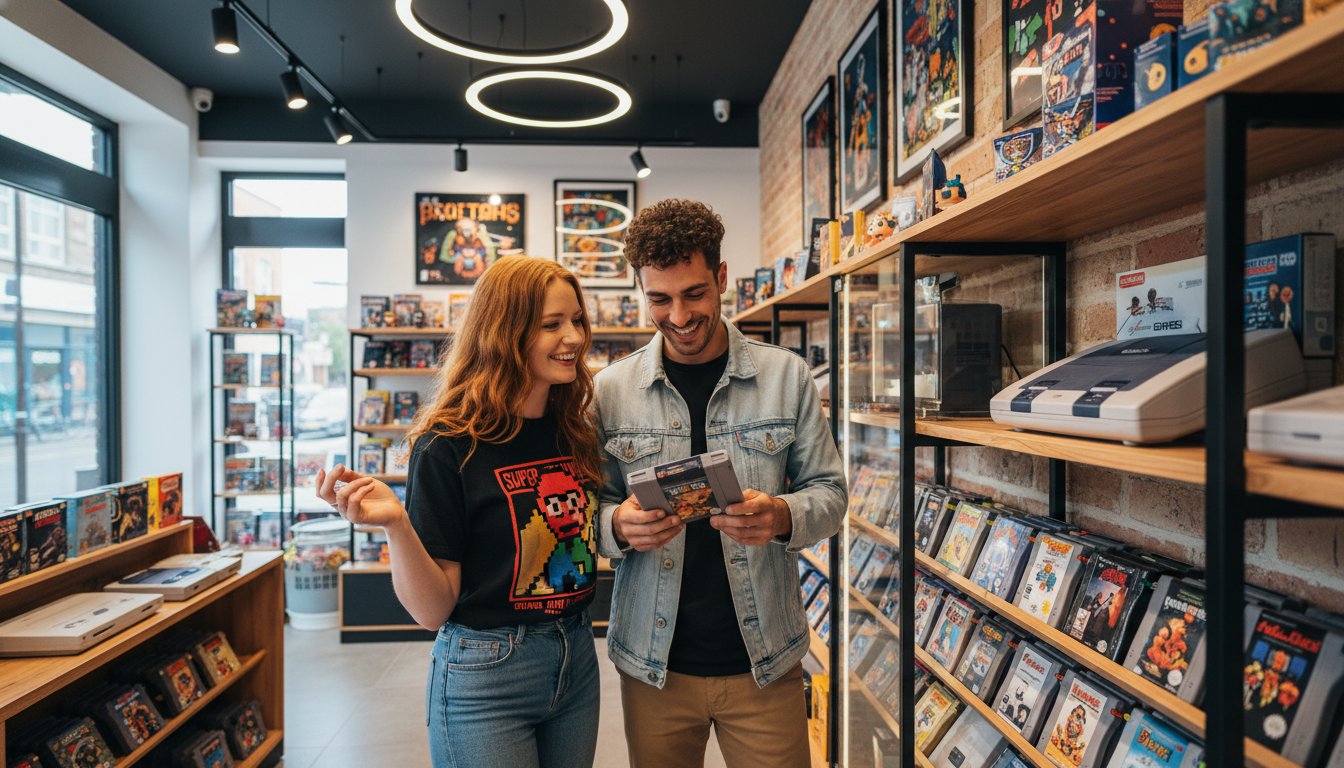
There’s a special kind of magic in holding a piece of gaming history, but there’s a unique frustration that comes with it, too. We’ve all felt that sinking feeling: the thrill of a new find turning to disappointment when you realise it’s a clever reproduction, a console that won’t boot, or that you’ve just paid way over the odds for a common title. Navigating the world of classic collecting shouldn’t be a gamble. A truly great retro game shop is more than just a store; it’s a sanctuary for enthusiasts, a place where authenticity is guaranteed and every cherished classic is treated with the respect it deserves.
For the love of everything retro, we’ve created the ultimate checklist to help you get your fix with confidence. We’ll arm you with the knowledge to spot pristine, authentic cartridges, assess console quality, identify fair prices, and uncover those all-important repair and modding services. By the end, you’ll know exactly how to find a trustworthy haven for your hobby-a place to discover rare gems, feel confident in every purchase, and connect with a community that shares your passion.
What Separates a Specialist from a Simple Reseller?
In the booming world of retro gaming, it’s easy to find old consoles and cartridges for sale. But there’s a world of difference between a simple reseller clearing out a loft and a dedicated specialist. A true retro game shop is more than just a store; it’s a community hub, a museum of memories, and a workshop for enthusiasts. It’s a place built on genuine passion. Let’s explore the key markers that elevate a shop from a simple transactional space to a cherished part of the hobby.
Online Store vs. Physical ‘Brick-and-Mortar’ Shop
The debate between digital and physical isn’t just for games themselves. Online shops offer incredible convenience and a potentially massive selection, perfect for hunting down a specific rare import. Physical stores, however, provide the irreplaceable magic of discovery-the thrill of browsing shelves, holding a cherished game box in your hands, and sharing stories with staff. The best of the best often run a hybrid model, combining the reach of an online store with the community feel of a physical location or regular pop-up events.
The Importance of Curation and Expertise
A specialist curates their collection; a reseller simply lists stock. Look for a shop that prioritises quality over sheer quantity. This means every item is tested, cleaned, and accurately described. The staff should be more than just cashiers-they should be fellow gamers who can offer genuine advice on everything from the best way to get an RGB signal from a SNES to the differences between PAL and NTSC-J versions of a game. Detailed, honest product descriptions are a non-negotiable sign of a trustworthy seller.
Community, Events, and Passion Projects
The ultimate sign of a specialist is their commitment to the community. Top-tier shops are active participants in the scene. They might host high-score tournaments, run repair workshops, create content like blogs and videos, or even design custom apparel for their brand-if you’re curious about that side of things, check out RAW Merch. This level of engagement shows they are deeply invested in the hobby of collecting and preserving video games. When a shop is driven by this passion, you know you’re not just a customer-you’re part of a shared love for everything retro.
Assessing Quality: A Collector’s Guide to Game & Console Condition
In the world of retro gaming, condition is everything. It separates a cherished piece of gaming history from a well-loved toy and can mean the difference of hundreds of pounds in value. A truly passionate retro game shop doesn’t just sell old products; they curate experiences. Understanding how they assess quality is your key to building a fantastic collection without any buyer’s remorse.
Understanding Grading: From ‘Acceptable’ to ‘Mint’
Decoding condition terms is the first step to becoming a savvy collector. While grading can be subjective, reputable shops use a consistent system. Here’s a quick guide:
- CIB (Complete in Box): This is the holy grail for many. It means the game includes the original box, the instruction manual, and any inserts it first shipped with.
- Boxed: The game comes with its original box but may be missing the manual or other inserts.
- New Old Stock (NOS): An item that was never sold at retail and is in new condition, often sealed. It’s a vintage product in a time capsule.
Visually, a ‘Good’ condition cartridge might have a clean label but minor scuffs on the plastic, while a ‘Mint’ one looks like it just came off the shelf in 1995. This is why clear, high-resolution photos are non-negotiable for any online store. They are your eyes on the product.
The Importance of Tested and Refurbished Hardware
A classic console is a piece of vintage electronics that needs to be treated with respect. A good shop does more than just see if it powers on. They test controller ports, AV outputs, and cartridge slots. Look for descriptions that detail refurbishment work, such as a “full re-cap” (replacing old capacitors), which extends a console’s life. A warranty or a fair return policy is the ultimate sign of confidence in the hardware they’re selling.
Spotting Fakes: Red Flags for Reproduction Carts
The popularity of retro gaming has led to a surge in counterfeit cartridges. Common red flags include glossy, low-quality labels, incorrect screws (Nintendo used specific “gamebit” screws), and cheap-feeling plastic. This is where a specialist proves their value. They aren’t just resellers; they are curators who understand the scene. This evolution of retro gaming as living history means authentication is a vital part of the process. Always ask a retro game shop about their method for weeding out fakes-a passionate expert will be happy to explain.
More Than Just Sales: The Value of Expert Repair and Modding Services
A truly exceptional retro game shop is more than just a storefront; it’s a workshop, a preservation society, and a gateway to gaming’s golden age. While a wide selection is important, the ultimate mark of a dedicated specialist lies in their technical expertise. They don’t just sell history-they actively preserve and enhance it for the next generation of players. This commitment to the hardware is what separates a simple reseller from a genuine enthusiast hub.
This principle of expert restoration-breathing new life into something cherished-is a passion shared across many hobbies. Whether it’s the delicate circuits of a retro console or the weathered timber of a backyard deck, the goal is the same: preserve the original character while ensuring it lasts for years to come. For those who apply this same level of care to their homes, you can discover Deck Rejuvenation and their professional approach to timber care.
Professional Console Repair: Bringing Hardware Back to Life
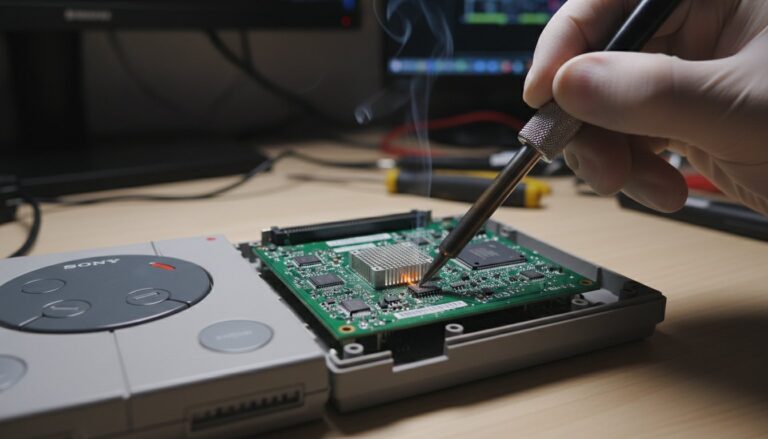
Classic consoles are decades old, and their internal components show their age. Common faults like leaking capacitors, failing lasers, and worn-out controller ports are inevitable. The best shops offer professional repair services to fix these issues, breathing new life into cherished hardware. While a DIY approach can be tempting, a single slip with a soldering iron can cause irreversible damage. Trusting an expert ensures your console is handled with the care it deserves. Plus, a shop that repairs its own hardware inherently understands the common failure points, meaning the consoles they sell are often more thoroughly tested and reliable.
Need a classic console fixed? Explore our repair services.
Unlocking Potential with Hardware Modifications (Mods)
Hardware modifications (mods) are upgrades that give classic consoles modern capabilities without sacrificing their retro soul. These enhancements allow you to experience iconic games in ways that were impossible at the time of their release. Popular mods include:
- IPS Screens: Upgrading handhelds like the Game Boy with vibrant, backlit screens.
- Region-Free Mods: Allowing your console to play games from any country.
- RGB Output: Providing the cleanest, sharpest video signal for your classic consoles on a modern TV.
Look for shops that offer professional installation to ensure these complex upgrades are performed flawlessly, future-proofing your beloved hardware for years to come.
Sourcing Rare and Imported Games (NTSC-J & NTSC)
Many of the most celebrated titles in the history of video games were never officially released in the UK (PAL region). A specialist retro game shop with deep connections to the global scene can source these imported gems from North America (NTSC) and Japan (NTSC-J). This expertise opens up a whole new library of incredible games you might otherwise miss out on. When a shop stocks rare imports, it’s a clear sign they are passionate experts dedicated to bringing the very best of the retro world to their community.
Putting It All Together: Your Checklist for Choosing a Retro Game Shop
You’re now armed with the knowledge of what separates a good retro game shop from a great one. To make your hunt for classic gaming treasures easier, we’ve distilled everything into a simple, powerful checklist. Use these points to evaluate any online store or physical shop you come across, ensuring you always get authentic products, expert service, and a fantastic experience that fuels your passion for nostalgia.
Product & Inventory Checklist
A shop’s collection is its heart. Look for clear signs of quality and care before you even think about adding to your basket. A top-tier retro game shop will proudly showcase its inventory with the detail it deserves.
- Clear, High-Resolution Photos: Do they show the actual item you’re buying, including any wear and tear on boxes or cartridges? Avoid stock photos.
- Detailed & Honest Descriptions: Is the condition clearly stated (e.g., “Used – Good,” “Mint – Boxed”)? Do they mention if it’s PAL or NTSC?
- Curated Stock: Is there a good mix of iconic games, classic consoles, and essential accessories? This shows they understand what players and collectors truly want.
- Specialist Items: Do they offer rare imports, like Japanese NTSC-J titles, or specialise in certain beloved platforms? This indicates deep expertise.
Services & Expertise Checklist
The best retailers are more than just storefronts; they are active hubs in the retro community, run by genuine enthusiasts who want to enhance your gaming experience.
- Professional Repair Services: Can they bring a cherished console back to life? Look for clear pricing (in £) and a description of the work they do.
- Console Modification Services: Do they offer mods like region-free unlocks, screen upgrades for handhelds (like an IPS display), or RGB output optimisation?
- Knowledgeable Staff: Does the team seem passionate? Can they answer technical questions or recommend a hidden gem?
Trust & Customer Service Checklist
This is the foundation of any great purchasing experience. A trustworthy shop invests in its customers, providing peace of mind long after you’ve completed your order.
- Genuine Customer Reviews: Are there positive, authentic reviews on their site or third-party platforms?
- Fair Returns & Warranty: Is there a clear, easy-to-understand returns policy and a warranty on hardware? This shows they stand by their products.
- Helpful Support: Is the customer support team easy to contact via email or phone, and are they responsive and helpful?
A shop that ticks all these boxes is a partner in your collecting journey. They share your passion and are dedicated to preserving the golden age of gaming. See why collectors trust MyRetroFix. Get your fix today!
Your Quest for the Perfect Retro Game Shop Ends Here
Navigating the world of retro gaming is a journey, not just a transaction. It’s about learning to spot true expertise over a simple reseller, meticulously assessing the condition of a cherished console, and understanding the incredible value of professional repairs and mods that keep these classics alive. Armed with our checklist, you can confidently find a genuine retro game shop that doesn’t just sell products, but truly shares your passion for the pixels and polygons of yesterday.
That’s the standard we live by at MyRetroFix. As passionate, UK-based experts, we’re deeply embedded in the scene. Our workshop specialises in professional repairs and game-changing modifications to help you get the very best experience from your hardware. This commitment to quality extends to our carefully curated selection of rare and imported games, ensuring every item we stock is something we’d be proud to have in our own collections.
Stop searching and start playing. Get your fix of everything retro at MyRetroFix! Happy collecting!
Frequently Asked Questions
Is it better to buy retro games from a specialist shop or from eBay?
While eBay can sometimes offer bargains, a specialist retro game shop provides crucial peace of mind. We test, clean, and guarantee every item, so you know it works perfectly. You also get expert advice and can be confident you’re buying an authentic product. eBay can be a minefield of fakes, untested consoles, and inaccurate descriptions. For guaranteed quality and authenticity, a dedicated shop is the superior choice for any serious collector looking to get their fix.
How can you tell if a retro game cartridge is a fake?
Spotting fakes, or ‘repros’, requires a keen eye. Check the label first for blurry printing, incorrect logos, or colours that seem ‘off’. The plastic cartridge shell on a fake often feels cheaper and lighter. Authentic Nintendo cartridges, for example, use special ‘Gamebit’ screws, whereas fakes often use standard Phillips screws. If you can, check the circuit board inside-it should have official branding and high-quality components, not a blob of black epoxy.
What are the most common repairs needed for retro consoles like the Game Boy or SNES?
Ageing hardware often needs some love! For handhelds like the Game Boy, common fixes include replacing worn-out button membranes and repairing screen issues like dead pixel lines. For home consoles like the SNES or Mega Drive, the most vital repair is replacing old capacitors (a ‘re-cap’), which can fix a huge range of audio and video problems. Cleaning the 72-pin connector on an NES is another classic fix to stop that dreaded blinking light.
Are retro games a good financial investment?
While some rare, boxed games have seen their value soar into the thousands of pounds, it’s best to view retro gaming as a passion first and an investment second. The market can be volatile, driven by nostalgia and trends. A complete-in-box copy of Chrono Trigger on the SNES is a great asset, but predicting the next big riser is tough. Our advice? Buy the games you love to play and cherish; if they increase in value, consider it a fantastic bonus!
What does it mean if a console is ‘modded’ or has an ‘IPS screen’?
A ‘modded’ console has been modified to enhance its original capabilities. This could mean making it region-free to play Japanese or US games, adding an HDMI port for modern TVs, or installing an Optical Drive Emulator (ODE) to play games from an SD card. An ‘IPS screen’ is a popular mod for handhelds like the Game Boy Advance. It replaces the dark, original screen with a modern, brightly backlit display that offers vibrant colours and perfect viewing angles.
Why are some retro games so expensive?
A game’s price is usually down to three key things: rarity, condition, and demand. Games with small production runs, like Panzer Dragoon Saga for the SEGA Saturn, are incredibly scarce. A game that is ‘complete-in-box’ (CIB) or factory sealed will command a much higher price than a loose cartridge. Finally, pure nostalgic demand for iconic titles like Zelda or Mario keeps their value consistently high among collectors wanting to recapture that magic.