Get your fix of everything retro — specialists in imported & rare retroImported & Rare Retro

Shop By
What Was the Sega CD? A Collector’s Guide to Sega’s Ambitious Add-On
Mention the sega cd to a retro gamer, and you'll likely get a mixed reaction. For some, it was a pricey, confusing add-on, infamous for its cheesy...

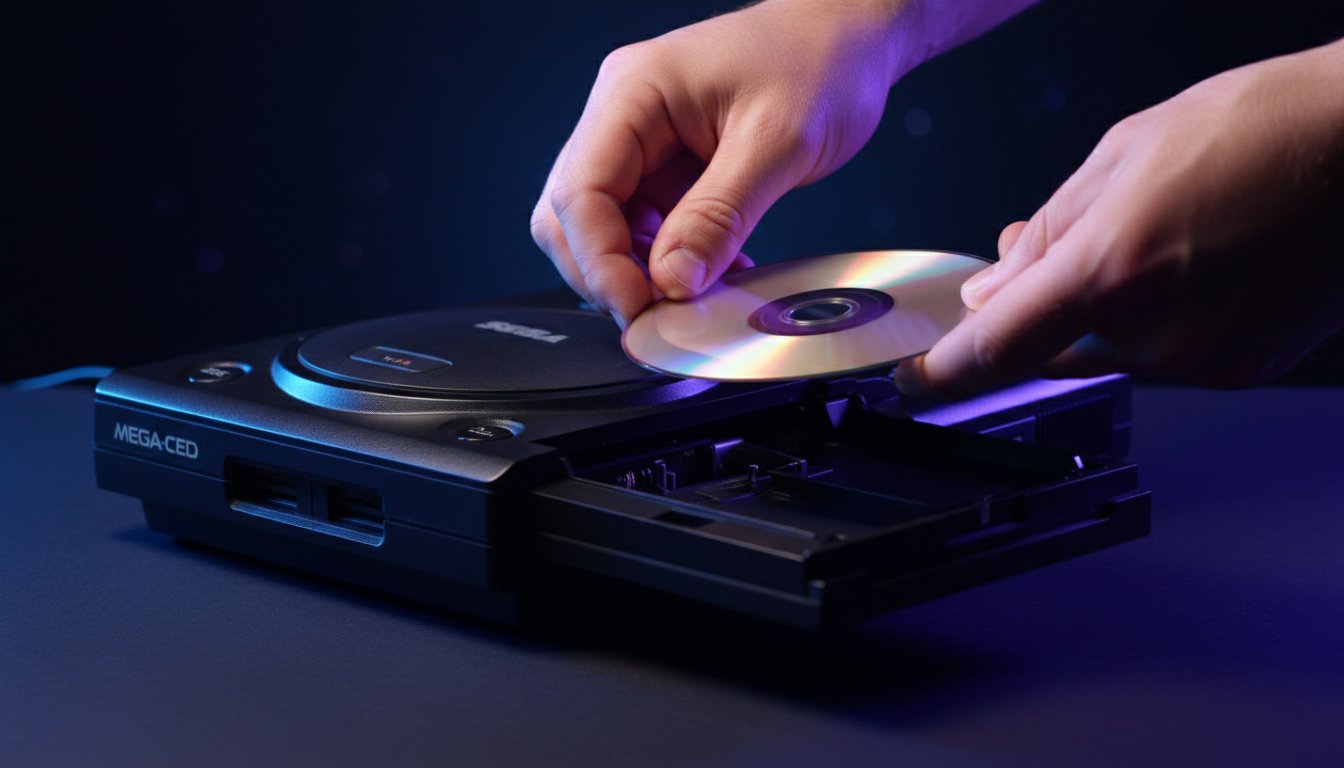
Mention the sega cd to a retro gamer, and you’ll likely get a mixed reaction. For some, it was a pricey, confusing add-on, infamous for its cheesy full-motion video games. For others, it was a bold leap into the future of gaming, a treasure trove of hidden gems and stunning CD-quality soundtracks. If you’ve ever been curious about this iconic but often misunderstood piece of hardware, or worried about navigating the pitfalls of collecting it-from dead lasers to its confusing different models-then you’re in the right place to get your fix.
This ultimate collector’s guide is here to demystify Sega’s ambitious 16-bit powerhouse. We’ll dive into its fascinating history, break down the crucial differences between the Model 1, Model 2, and the elusive Multi-Mega, and reveal a definitive list of the best games that are still incredible to play today. Most importantly, we’ll arm you with the essential buying tips you need to confidently find a working console in the UK market, avoid common faults, and start building a collection you can be proud of. It’s time to discover the legend.
What Was the Sega CD? A Leap into the Future
In the thick of the 16-bit console wars, Sega made a bold, ambitious play to dominate the living room. The Sega CD was not a new console but a powerful CD-ROM add-on for the iconic Mega Drive. Known as the Mega-CD here in the UK and in Japan, this sleek piece of kit represented Sega’s vision for the multimedia future of gaming. It was designed to supercharge the Mega Drive, transforming it from a cartridge-based hero into a cutting-edge, disc-reading powerhouse ready to deliver experiences previously thought impossible. For a complete technical breakdown, the history of the Sega CD on Wikipedia offers an exhaustive resource.
The Promise of CD Technology in the 90s
The leap from cartridge to CD was staggering. A typical Mega Drive cartridge held around 4 megabytes of data, whereas a single CD could store a colossal 640MB. This massive increase in storage unlocked two game-changing features. Firstly, it allowed for high-quality, Red Book audio soundtracks, replacing synthesized chiptunes with rich, orchestral scores. Secondly, it paved the way for Full-Motion Video (FMV), promising cinematic cutscenes and interactive movie-style games that were pure science fiction to 90s gamers.
How it Upgraded the Mega Drive
The Mega-CD was far more than just a CD player. It was a true hardware upgrade, bolting a second, faster processor onto the Mega Drive to share the workload. This extra muscle was paired with a dedicated graphics chip that enabled impressive scaling and rotation effects, similar to the SNES’s famous “Mode 7.” This meant developers could create pseudo-3D environments and dynamic visual flair that the base Mega Drive simply couldn’t handle, all backed by an advanced sound chip for richer audio.
Why Did It Ultimately Fail?
Despite its incredible potential, the Mega-CD struggled to find its footing. A major hurdle was its launch price-a hefty £269.99 in the UK, making it a luxury item for most families. Its reputation was also damaged by a library diluted with poor-quality, grainy FMV titles that felt more like tech demos than compelling games. This, combined with market confusion and the looming arrival of true 32-bit consoles like the Sega Saturn and Sony PlayStation, meant this futuristic add-on was sadly destined to become a niche, but cherished, piece of gaming history.
The Games: Beyond the Infamous FMV Titles
Let’s be honest: when many gamers think of the Sega CD, their minds jump straight to grainy, full-motion video (FMV) games. Titles like the infamous Night Trap and the cheesy rail-shooter Sewer Shark defined the system’s public image, for better or worse. But to dismiss the add-on based on its FMV library is to miss out on some of the most iconic and cherished games of the 16-bit era. The true magic of the system wasn’t just video-it was the power of the CD-ROM format to deliver breathtaking soundtracks, expanded worlds, and experiences the Mega Drive cartridge simply couldn’t handle.
Essential Sega CD Exclusives
This is where the console truly shines. These are the system-sellers, the games that make owning a sega cd an essential part of any retro collection. They are the definitive reason to get your fix.
- Sonic CD: Often hailed as the best Sonic game ever made, its vibrant graphics, ingenious time-travel mechanic, and phenomenal Japanese and US soundtracks make it the system’s killer app.
- Snatcher: From the mind of Hideo Kojima, this cyberpunk adventure is a cinematic masterpiece. A gripping story and incredible atmosphere make it a holy grail for collectors.
- Lunar: The Silver Star & Eternal Blue: These two JRPGs from Game Arts are legendary. With beautiful anime cutscenes and unforgettable scores, they set a new standard for storytelling in games.
- Shining Force CD: A tactical RPG fan’s dream, this title combines remakes of two Game Gear classics with a brand new story, offering dozens of hours of strategic bliss.
Arcade Ports and Enhanced Mega Drive Titles
The add-on also gave developers the chance to create the definitive versions of existing classics. By leveraging CD audio, they transformed familiar games into entirely new experiences. The ambitious hardware strategy, a key part of the history of Sega, allowed for these incredible upgrades that showcased the system’s audio prowess.
- Final Fight CD: Forget the compromised SNES port. This version features all three characters, the missing Industrial Area stage, and a pulse-pounding, arranged CD soundtrack that still slaps today.
- Earthworm Jim: Special Edition: The groovy platformer got even groovier with a fully orchestrated soundtrack, a brand new level, and more animations.
- Ecco the Dolphin: The original Mega Drive game was atmospheric, but the CD version’s haunting, ethereal soundtrack by Spencer Nilsen elevates it to a whole new level of immersion.
The Best of the FMV Genre (If You Dare)
Okay, we can’t ignore them completely! If you’re feeling adventurous and want to experience the B-movie charm that made the console infamous, a few FMV titles are worth a look for the sheer retro novelty.
- Night Trap: The controversial classic that sparked a moral panic. It’s clunky, but a fascinating piece of gaming history.
- Corpse Killer: A zombie-shooting light gun game starring a Rastafarian guide. It’s as ridiculous and fun as it sounds.
- Surgical Strike: A surprisingly competent FMV shooter that puts you in the cockpit of a futuristic hovercraft. It’s fast, fun, and one of the genre’s better efforts.
A Collector’s Guide: Buying a Sega CD in 2025
Diving into the world of the Sega CD is a rewarding journey for any retro enthusiast, but it comes with its own set of challenges. Thirty years on, these machines require a keen eye to ensure you’re getting a cherished piece of gaming history, not a high-tech paperweight. Before you part with your cash, here’s what you need to know to make a smart purchase.
Model 1 vs. Model 2: Which is Right for You?
The first choice you’ll face is which model to hunt down. The original Model 1, with its motorised front-loading disc tray, is an iconic piece of 90s tech designed to sit under the original Mega Drive. Its impressive presence is often the highlight of any Sega CD Retrospective, but its complex mechanics make it more prone to failure. The Model 2 is a more compact, top-loading unit that sits beside the console. It’s generally considered the more reliable and practical choice for players, with fewer moving parts to worry about. For the dedicated collector, rare all-in-one alternatives like the JVC X’Eye or the portable Sega Multi-Mega (CDX in the US) represent the holy grail, but command a much higher price.
Common Faults to Watch Out For
Age has not been kind to all units, and several common faults plague the system. Always ask for video proof of the console loading a game before buying. Here’s a quick checklist:
- The Laser: This is the most common point of failure. A weak or dead laser will struggle to read discs or fail entirely.
- Fuses: A blown internal fuse is a frequent cause for a unit that won’t power on at all. It’s a relatively simple fix for those with soldering skills.
- Capacitors: Failing capacitors can lead to a host of audio and video problems, from distorted sound to a complete loss of picture.
Worried about faults? A broken unit can be a great project, but if you’d rather just play, check out our professional repair services!
In today’s market, expect to pay around £100-£150 for a loose, working console. A complete-in-box unit can easily fetch £250-£400+ depending on condition, while a professionally refurbished and recapped unit often sits in the £180-£250 range, offering peace of mind.
Essential Cables and Accessories
A complete Sega CD setup requires more than just the console. A common mistake for newcomers is assuming it has its own video output. Make sure your purchase includes these essentials:
- Power Supplies: You’ll need one for the Mega Drive and one for the Sega CD. Crucially, the Model 1 and Model 2 use different power bricks, so ensure you have the correct one!
- AV Cables: The video signal comes from the Mega Drive. You connect your standard Mega Drive AV cable to the port on the back of the Mega Drive, not the CD add-on.
- Audio Connection: For the Model 1, a small 3.5mm mixing cable is needed to connect the Mega Drive’s headphone jack to the CD unit’s input for stereo sound. The Model 2 integrates this through its connection plate.
Keeping Your Sega CD Alive: Repairs & Modern Mods
Owning a piece of gaming history like the Sega CD is an absolute joy, but these cherished consoles are now over three decades old. Like any classic hardware, they require a bit of love and maintenance to keep them spinning those iconic discs. From essential upkeep to game-changing modern upgrades, there are plenty of ways to ensure your machine runs better than it did in the 90s.
The most crucial long-term fix is known as ‘recapping’. The capacitors inside the console degrade over time, which can lead to audio, video, and power issues. Replacing them is a foundational step for preserving your console for the years to come.
Basic Maintenance Every Owner Should Know
A little TLC goes a long way. To keep your console in good fighting shape, here are a few simple tips every owner should practice:
- Clean the Laser Lens: A cotton bud lightly dampened with high-purity isopropyl alcohol can gently remove years of dust from the laser lens, often fixing disc read errors.
- Check the Disc Tray: Ensure the tray mechanism is clean and free of dust or debris that could jam the gears. A can of compressed air can work wonders here.
- Use Quality Media: If you’re playing backups, always use high-quality CD-R discs and burn them at the slowest possible speed to ensure the best compatibility and reduce strain on the laser.
Unlocking Your Console with a Region-Free BIOS
One of the biggest limitations of 90s consoles was region locking. Games were typically locked to their specific territories: PAL (UK/Europe), NTSC-U (North America), or NTSC-J (Japan). Installing a modded, region-free BIOS completely removes this barrier. This single modification opens up a vast, exciting world of imported games, allowing you to play legendary Japanese titles like Keio Flying Squadron and Shadowrun on your UK console without any fuss.
The Ultimate Upgrade: Optical Drive Emulators (ODEs)
The single most common point of failure on any disc-based console is the optical drive. The laser wears out, and the moving parts fail. The ultimate modern solution is an Optical Drive Emulator (ODE). Devices like the Fenrir, MODE, or Terraonion completely replace the original CD drive with a solid-state board that reads games from an SD card or USB drive. This not only preserves the original drive but also grants you lightning-fast load times and the convenience of having your entire Sega CD library on a single card. It’s the definitive way to future-proof your beloved add-on.
Ready to breathe new life into your classic console? Explore our modification services!
The Sega CD’s Enduring Legacy
More than just a quirky add-on, the Sega CD was a bold, ambitious leap into the future of gaming. Its library, often unfairly remembered for its FMV experiments, is packed with hidden gems waiting to be discovered. For today’s collector, it represents a unique and rewarding challenge-from finding the right unit to keeping it spinning with modern mods and careful repairs.
Whether you’re ready to dive into collecting for the first time or need to breathe new life into a cherished console from your past, the journey doesn’t have to be a solo one. As UK-based experts with a deep passion for classic gaming, we are specialists in retro console repair and modification. From sourcing a wide range of rare imported titles to performing essential system maintenance, we’re here to help you experience this iconic system at its very best and keep the nostalgia alive.
Get your fix of Sega CD games and consoles!
The world of the sega cd is rich, rewarding, and ready for you to explore. Happy collecting!
Frequently Asked Questions
Do you need a Sega Mega Drive to use a Sega CD?
Yes, absolutely! The Sega CD is an add-on, not a standalone console. It was designed to enhance the power of the classic Mega Drive, so you must have a functioning Sega Mega Drive (Model 1 or Model 2) to connect it to. The add-on draws power and video output through the Mega Drive, working together to play its library of disc-based games. Think of it as the ultimate power-up for your cherished 16-bit machine.
Are Sega CD games region-locked?
Yes, Sega CD games are strictly region-locked. This means a PAL (European/UK) Sega CD will only play PAL games, an NTSC-U (North American) console will only play NTSC-U games, and so on. To play imported titles from Japan or the US on your UK console, you would need a region-free BIOS modification or a special converter cartridge. This is a common hurdle for collectors wanting to explore the full, iconic library from around the globe.
What is the difference between the Sega CD Model 1 and Model 2?
The primary differences are design and cost. The Model 1 is a front-loading unit that sits underneath the original Mega Drive, featuring a motorised disc tray. It’s often seen as the premium, more robust version. The Model 2 is a more streamlined, top-loading unit designed to sit next to the Mega Drive 2, making it more compact and cheaper to produce. While functionally identical, collectors often prefer the iconic look of the Model 1.
How much is a Sega CD worth today?
In the UK market, the value of a Sega CD can vary significantly based on its model, condition, and whether it’s boxed. An unboxed, working Model 2 typically sells for between £100 and £180. A sought-after Model 1, especially if it’s in good cosmetic condition, can fetch anywhere from £150 to over £250. Complete-in-box units are much rarer and can easily command prices upwards of £300, reflecting their status as a classic collector’s item.
Can a Sega CD be repaired if the laser is broken?
Yes, a broken laser is often repairable, but it can be tricky. The most common fix is replacing the laser assembly itself, such as the KSS-210A or KSS-240A, depending on the console model. This requires careful soldering and calibration. Sometimes, the issue is simply a dirty lens or failing capacitors on the board, which are easier fixes for a skilled technician. Repairing a faulty Sega CD is a fantastic way to bring this iconic piece of hardware back to life.
What power supply do I need for my Sega CD?
This is a crucial detail to get right! Both the Sega CD Model 1 and Model 2 require the same power supply as the Sega Mega Drive Model 1. Specifically, you need a 9V or 10V DC adapter with at least 1.2A and a centre-negative barrel plug (5.5mm outer, 2.1mm inner). Using the wrong power supply, like one from a Mega Drive 2, can permanently damage your console, so always double-check the specs before plugging it in.
Can the Sega CD play regular music CDs?
It certainly can! The Sega CD doubles as a fully functional CD player, which was a major selling point back in the 90s. When you power on the console without a game disc inside, it boots to a BIOS menu where you can select the CD player option. It even has basic functions like track skipping and repeat. This multi-functionality made it a fantastic, high-tech centrepiece for any gaming setup of the era, adding incredible value to the hardware.